-
01 Apr, 2024
-
0 Comments
Introduction
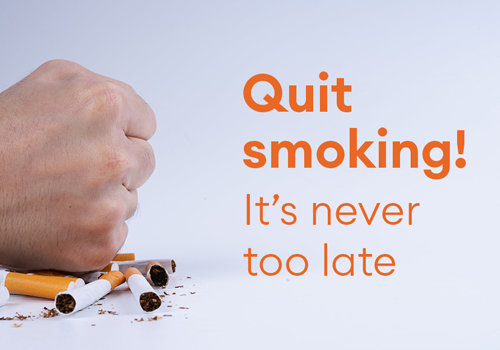
Smoking is a habit that affects millions of people worldwide. Whether you’ve been smoking for a few years or several decades, the decision to quit can significantly impact your health and overall well-being. In this blog post, we’ll explore why it’s never too late to kick the habit and how quitting smoking can lead to positive changes in your life.
1. Immediate Benefits
a. Health Improvements
As soon as you quit smoking, your body begins to repair itself. Here are some immediate benefits:
- Improved Breathing: Within days of quitting, your lung function starts to improve. You’ll notice that you can breathe more easily and experience less shortness of breath.
- Enhanced Senses: Your sense of taste and smell will become sharper. Food will taste better, and you’ll appreciate the subtle aromas around you.
b. Cardiovascular and Respiratory Health
Within a year of quitting, your risk of cardiovascular diseases (such as heart attacks and strokes) and respiratory conditions (like chronic obstructive pulmonary disease) decreases significantly. Your heart and lungs will thank you for making this positive change.
2. Dispelling Myths
a. ‘The Damage Is Done’
Some smokers believe that because they’ve already been smoking, quitting won’t make a difference. This myth is far from the truth. It’s never too late to stop smoking. Even if you’ve smoked for years, quitting now can have a profound impact on your health.
b. Weight Concerns
Many worry about gaining weight after quitting. While some people do gain weight, it’s essential to focus on maintaining a healthy diet and staying active. Not everyone who quits smoking experiences weight gain.
c. Nicotine Isn’t Harmful
Nicotine itself isn’t harmful; it’s the other chemicals in tobacco smoke (like carbon monoxide and tar) that cause serious health issues. Nicotine replacement therapy can help you quit by providing a clean, safe dose of nicotine.
d. Stress Levels
Contrary to popular belief, non-smokers generally have lower stress levels. Nicotine may create a temporary feeling of relaxation, but it doesn’t truly alleviate stress. After three months of being smoke-free, your brain’s ability to regulate dopamine (the feel-good chemical) returns to normal.
3. Choosing the Right Time
a. No Perfect Moment
Don’t wait for the perfect time to quit. Set a date that works for you, whether it’s the beginning of a holiday or the start of a new week. Every moment is an opportunity to take control of your health.
Conclusion
In summary, quitting smoking is a powerful step toward better health, regardless of your age or how long you’ve smoked. Remember, it’s never too late to make a positive change. Your body will thank you, and your loved ones will benefit from your smoke-free environment.
References:
- NHS Inform: Myths about stopping smoking
- NHS: Benefits of quitting smoking
- Harvard Health: It’s never too late to quit smoking
Remember, your health matters, and quitting smoking is a courageous step toward a brighter future! 





Leave a Reply